

Cubic yard calculator
Calculate this loadA cubic yard is 27 cubic feet — a 3 × 3 × 3 ft cube. This page is the unit converter landscapers actually use.
Project calculator
Area 1
Cubic yards
0.93 yd³
Tons
1.30 t
2 cu ft bags
13
Estimated cost
Add a price
Active area
Leave blank to skip cost
Gravel planning density 1.4 t/yd³ (FHWA / typical crushed gravel 2,400–3,000 lb per loose cubic yard). Order 1 yd³ with 5% waste. 3 cu ft bags: 9.
Search traffic still types “how many cubic yards” more often than it types a material name. That is this page’s job: make the 27-cubic-foot rule impossible to fumble, then let you attach a material so the same numbers become tons and bags.
US construction still thinks in feet and inches. A depth of 4 inches is 4/12 = 0.333 feet, not 4 feet. Getting that conversion wrong is the most common off-by-twelve error in driveway estimates. The calculator defaults to inches for depth for that reason. Metric users can switch the whole form to meters and centimeters; internally we convert to feet, apply the same prism formulas, and convert yards to cubic meters (1 yd³ = 0.7646 m³) for the readout.
Known area mode is for people who already have a takeoff. Paste square footage from a plan, set depth, and you are done. L-shape mode subtracts the overlapping corner so two tape measurements of the outer legs do not inflate the yardage.
Once the volume is honest, pick gravel, mulch, dirt, or stone from the related calculators. Densities change the tonnage, not the yardage. Yards are geometry. Tons are material science plus moisture.
Formula
yd³ = ft³ ÷ 27. ft³ = length × width × depth with every side in feet.
Worked example
A 9 × 9 ft slab 4 inches thick is 81 × 0.333 ÷ 27 = 1.00 cubic yard on the nose.
Gravel on the ground
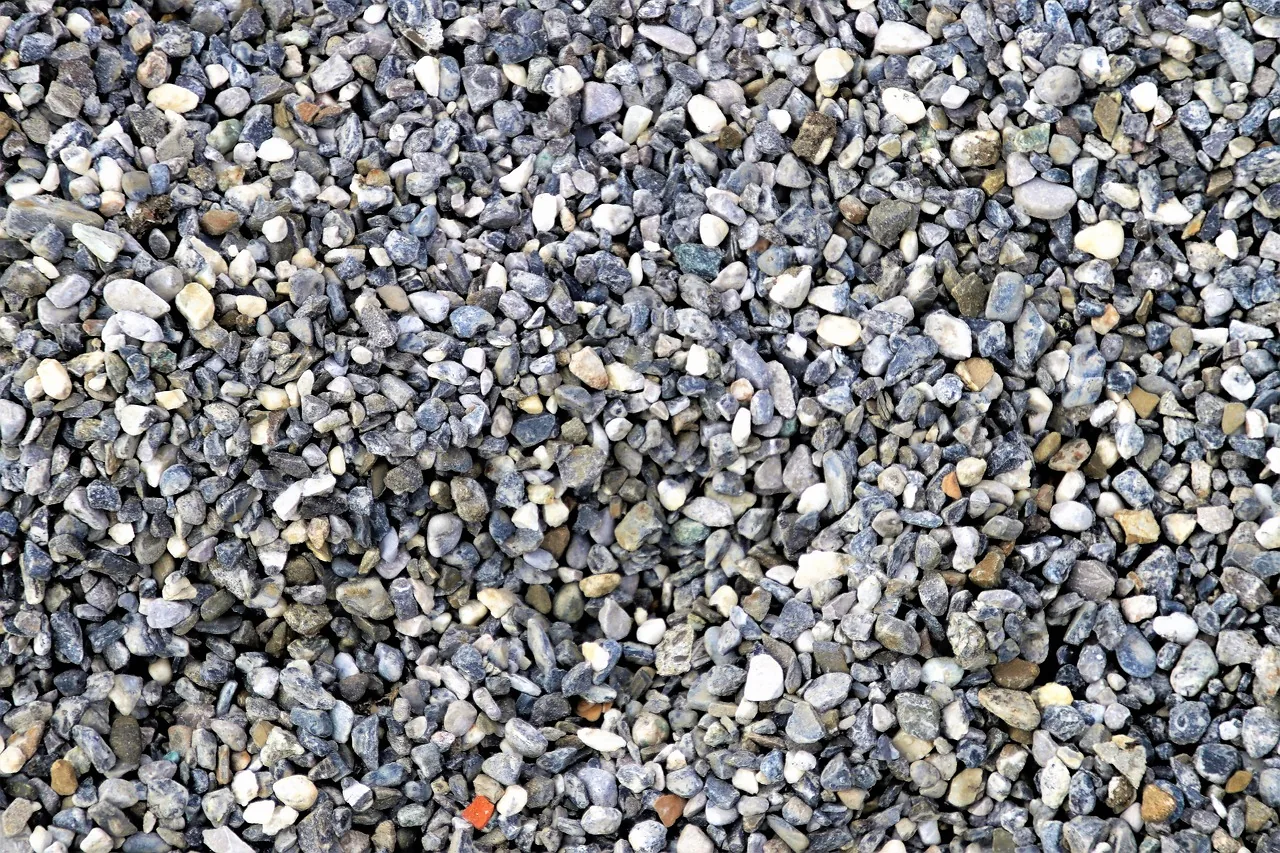
Typical cover is 3 inches. Range 1.2–1.5 t/yd³. 3/4-inch crushed gravel as placed, not compacted. Wet loads run heavier.
Density table
| Material | t / yd³ | lb / yd³ | Source |
|---|---|---|---|
| Gravel | 1.4 | 2800 | FHWA / typical crushed gravel 2,400–3,000 lb per loose cubic yard |
| Crushed stone | 1.35 | 2700 | ASTM C29 typical bulk density for crushed stone aggregates |
| Pea gravel | 1.3 | 2600 | Landscape industry pea-gravel bulk density, 2,400–2,800 lb/yd³ |
| Sand | 1.35 | 2700 | FHWA / Engineering Toolbox dry-to-damp sand ~2,400–3,000 lb/yd³ |
Related calculators
Gravel calculator
Size a driveway, path, or French drain in cubic yards first — then convert to tons using a cited 1.4 tons/yd³ planning density.
Mulch calculator
Most beds want 2–3 inches of hardwood or bark mulch. Measure in feet, keep depth in inches, and we will give yards and bags.
Dirt calculator
Fill dirt is sold by the yard and weighed by the ton. Plan with 1.15 tons per loose cubic yard, then confirm moisture with the yard.