

Mulch calculator
Calculate this loadMost beds want 2–3 inches of hardwood or bark mulch. Measure in feet, keep depth in inches, and we will give yards and bags.
Project calculator
Area 1
Cubic yards
0.93 yd³
Tons
0.37 t
2 cu ft bags
13
Estimated cost
Add a price
Active area
Leave blank to skip cost
Mulch planning density 0.4 t/yd³ (Penn State & UGA Extension hardwood/bark mulch 500–1,000 lb/yd³). Order 1 yd³ with 5% waste. 3 cu ft bags: 9.
Mulch is sold by the bag at home centers and by the loose cubic yard at landscape yards. The conversion is mechanical: 27 cubic feet per yard. A 2 cubic foot bag is a thirteenth of a yard; a 3 cubic foot bag is a ninth. What is not mechanical is depth. University extensions (Penn State, UGA) still recommend about 2–3 inches of hardwood or bark on established beds and up to 4 inches on new beds that need weed suppression. Piling 8 inches against a trunk is how you get voles and rot, not a healthier maple.
Hardwood dyed mulch in the South and Midwest often lands near 700–900 pounds per loose yard. That is why this calculator uses 0.4 tons per cubic yard as the planning density, citing extension ranges of 500–1,000 lb/yd³. Fresh bark, rubber, and composted blends differ. If you care about truck weight or a hillside delivery, ask the yard. If you only care about coverage, yards and bags are the numbers that matter.
Irregular beds are easier as several rectangles than as one guessed oval. Add a circle for a tree ring using the drip-line diameter, and an L for the side-yard jog. Save the project in this browser and share the link when you request delivery. The lead form at the bottom sends ZIP, material, and quantity to yards that buy BulkYardCalc leads — not a random directory scrape.
Color fades. Volume does not. Budget a top-up of about an inch the following spring rather than ripping everything out. If last year's mulch is still 2 inches deep, you may only need a dusting, which is a good reason to keep the last share link around.
Formula
Cubic yards = area (ft²) × (depth in inches ÷ 12) ÷ 27. Bags (2 cu ft) = yards × 13.5.
Worked example
A 12 × 8 ft bed at 3 inches is 96 × 0.25 ÷ 27 = 0.89 yd³, about 12 of the 2 cu ft bags.
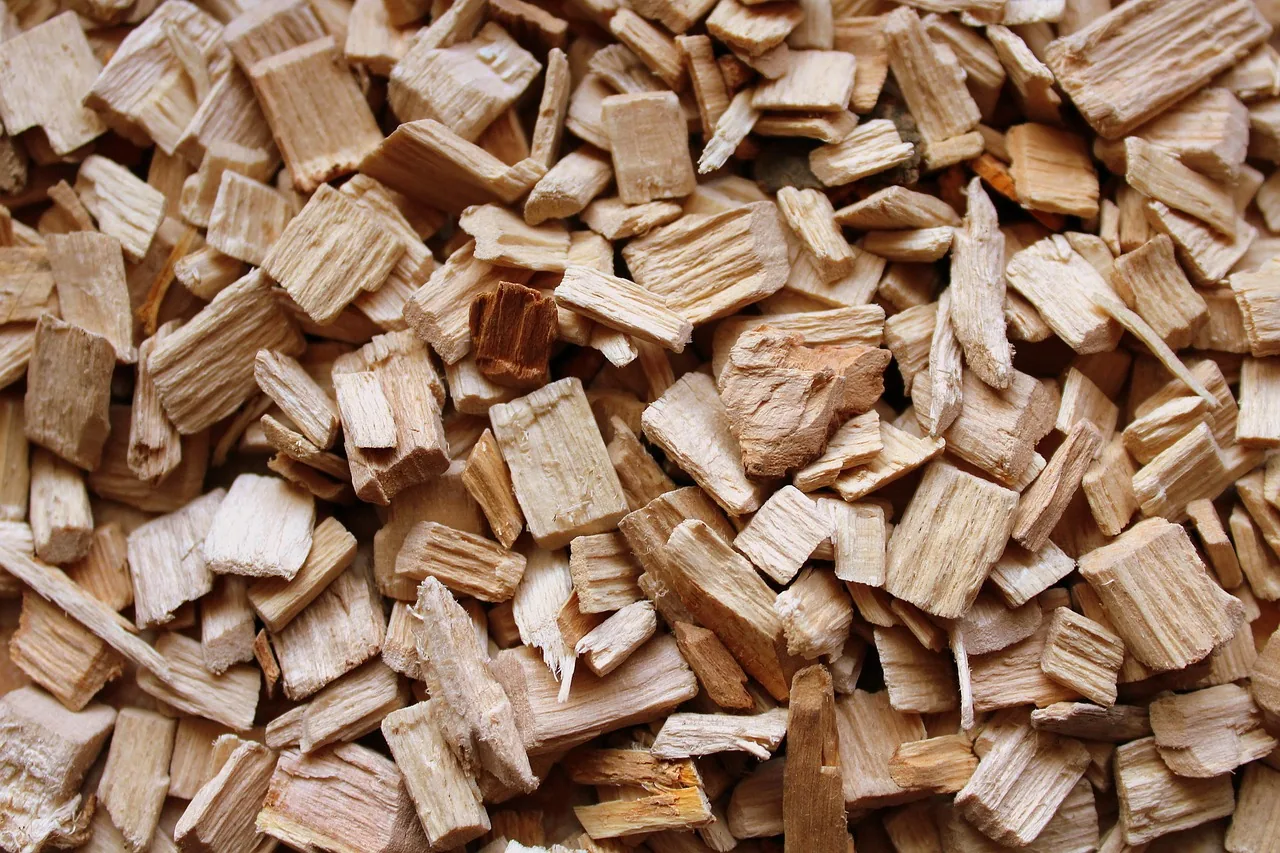
Mulch on the ground
Typical cover is 3 inches. Range 0.25–0.55 t/yd³. Dyed hardwood sits near 800 lb. Fresh bark and rubber mulch differ — confirm.
Density table
| Material | t / yd³ | lb / yd³ | Source |
|---|---|---|---|
| Mulch | 0.4 | 800 | Penn State & UGA Extension hardwood/bark mulch 500–1,000 lb/yd³ |
Related calculators
How much mulch do I need?
Measure each bed, use 2–3 inches of depth, and convert to cubic yards or bags. That is the whole decision.
Yards of mulch calculator
One cubic yard of mulch covers 162 ft² at 2 inches or 108 ft² at 3 inches. Add your beds to see the total.
Bags of mulch calculator
A cubic yard is 13.5 bags of 2 cu ft mulch or 9 bags of 3 cu ft. We show both so you can price the switch to bulk.